Cooking and Baking with Rum
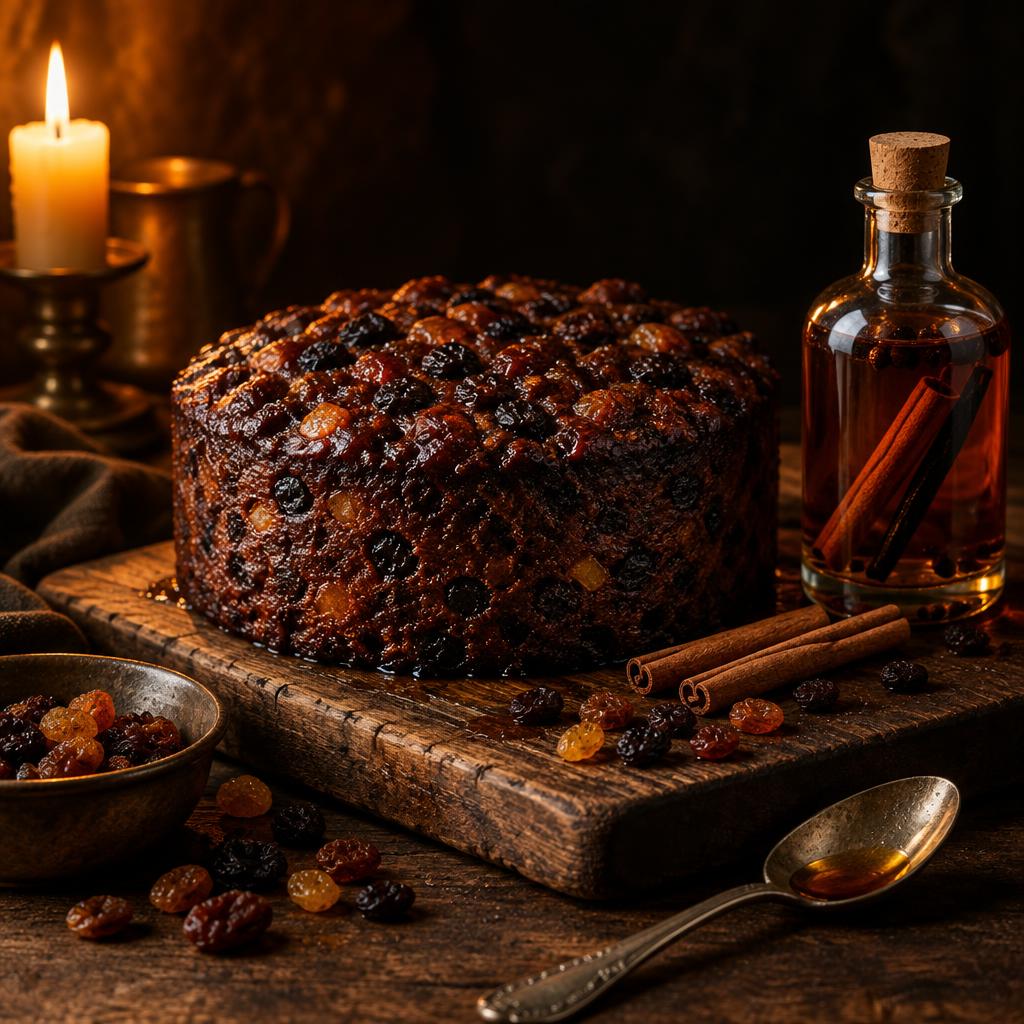
A dark rum suits most baking, because its molasses and caramel depth stands up to sugar, spice and long cooking. A spiced rum works when the recipe already leans towards cinnamon, clove or dried fruit, and white rum adds alcohol with much less flavour.
Where rum earns its place
Rum's classic kitchen jobs are all about depth. Soak dried fruit for a Christmas cake or pudding, brush a syrup of rum and sugar over a cooled sponge, add a capful to a chocolate batter or a caramel sauce, or stir a little through custard for ice cream. A little goes a long way, and the flavour carries further in bakes than most people expect.
Add rum only as directed in a trusted recipe, and weigh the liquid part carefully: rum is a liquid ingredient, so extra changes the crumb, the set of a sauce and the freeze of an ice cream. There are no measured rum recipes on this page — use quantities from a recipe you trust.
Does the alcohol cook away?
No. Research in the United States has shown that alcohol remains in food after cooking, and that how much stays depends on the method and the time: a quick flambé leaves most of the alcohol behind, while hours of simmering reduces it far more — but no cooking method removes it completely. Baked goods, chilled desserts and anything with rum added at the end of cooking keep a larger share.
That matters at the table. Treat every rum food as an alcoholic food: keep it clearly labelled and separate from food for children, pregnancy or anyone avoiding alcohol, and serve an alcohol-free version for those guests.
Storing rum foods
Rum does not make food shelf-stable. It does not make dairy desserts safe at room temperature, and it is not a preservative in place of chilling, sugar or proper storage. Store rum cakes, sauces and desserts as the recipe directs, refrigerate anything with cream, butter or custard, and never rely on the alcohol to keep a dish safe.
Frequently asked questions
Which rum is best for baking?
A dark rum suits most baking, because its molasses and caramel depth stands up to sugar, spice and long cooking. A spiced rum works when the recipe already leans towards cinnamon, clove or dried fruit, and white rum adds alcohol with much less flavour.
Does rum cake still contain alcohol after baking?
Yes. Studies of alcohol in cooked food show some remains after baking, simmering or flaming, and no-bake rum foods such as syrup-soaked cakes and chilled desserts keep all of the alcohol that was added. Rum foods are not suitable for children, during pregnancy or for anyone avoiding alcohol.
Can I swap rum for brandy in a recipe?
In most trusted recipes you can swap a like-for-like measure of rum for brandy, and the flavour shifts towards caramel and molasses. Follow the recipe's quantities rather than adding extra, because rum is a liquid and extra liquid changes the bake.
Does rum keep a dessert safe at room temperature?
No. Rum is a flavouring, not a food-preservation method, and it does not make dairy or cream-based desserts shelf-stable. Store rum foods as the recipe directs, and refrigerate anything with cream, butter or custard.
More from the rum kitchen
Our source-based rum food recipes include rum butter and rum sauce, with credited quantities and clear testing caveats.
Cooking for Christmas? Our rum for Christmas pudding guide covers soaking, feeding and flaming a steamed pudding, and the rum for Christmas cake guide compares bottle styles for dried-fruit bakes.
Prefer to drink your rum while it cooks? Try a hot buttered rum.
Where we checked
The cooking findings above follow research on alcohol retention in cooked food, summarised by the Journal of the American Dietetic Association and an Idaho State University review. Rum style notes follow the BBC Good Food rum glossary.
Dilay is for adults of legal drinking age. Please drink responsibly.